Rocket Science PB — Where Engineering Meets Pickleball
ROCKET SCIENCE PB
MISSION: BETTER GEAR DECISIONS
Where engineering meets pickleball.
Honest paddle picks from a NASA rocket scientist and avid player who spends his court time helping new players fall in love with pickleball. Tested with real students, explained with real physics — never influenced by a discount code.
Every paddle on this page lives in my backpack. Ask me at any class and you can just try them — before you spend a dollar.
Every pickOwned, played & paid for by me
Discount codeROCKET · varies by brand, ~10%
Paddle demosJust ask at class
Paid placementsZero — nobody buys a spot here
T-01 · PADDLE FINDER
Launch sequence: three questions.
This is the exact logic I use when a student asks me “which paddle should I buy?” — minus the 20-minute lecture on core densities. (Ask me at class if you want the lecture. I will not stop you.)
01 · Where are you in your pickleball journey?
02 · What do you want more of?
03 · Budget?
// awaiting mission parameters — answer all three //
T-02 · THE FLEET
Current paddle rotation, ranked.
Not a database of every paddle ever made — this is what I actually play and recommend right now, and it changes when the testing says it should. Each card’s button copies my current code for that brand — where I don’t have one, I recommend it anyway. Ask me before you buy; I can often still help: I’m deep enough in the gear-review community that I usually know working codes from the big YouTube reviewers and personalities, which still knocks around 10% off in many cases.
01#1 IN MY BAG
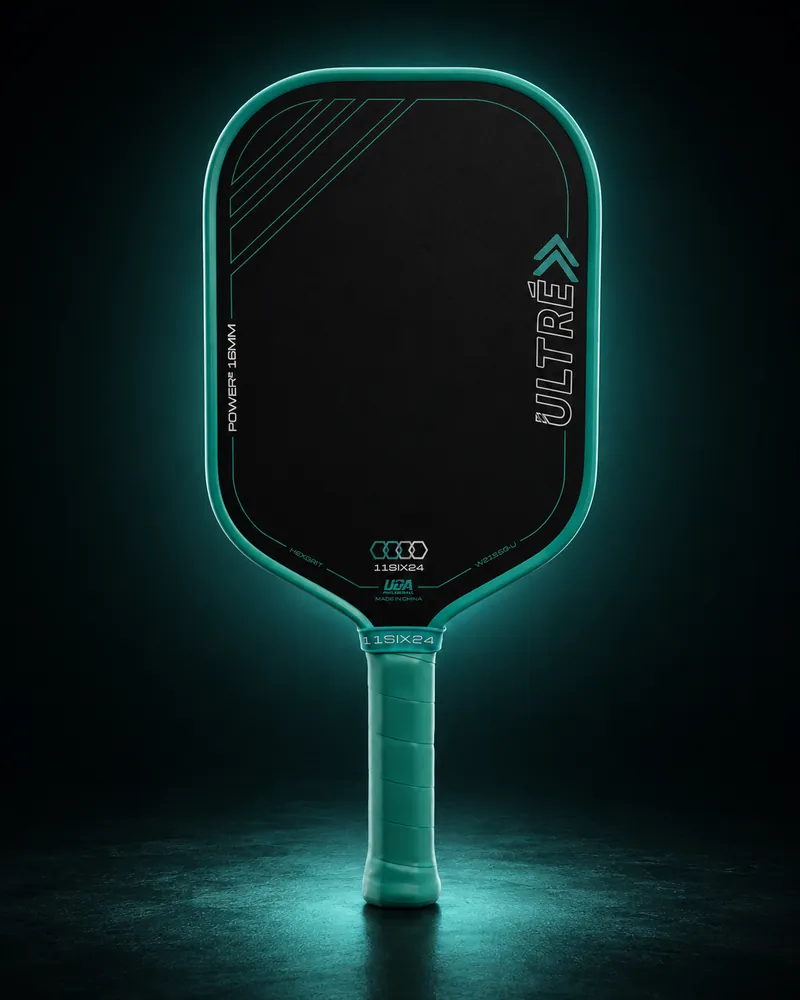
11SIX24
Ultre Power 2
HYBRIDGEN 4SPIN ESCAPE VELOCITYGRIT LIFE AEROSPACE GRADE
SPIN≈2,380RPM
SWING WT≈115
SERVE≈61MPH
The paddle I reach for first right now. Punchy hybrid with elongated-style reach and a comfortable shorter handle. Huge pop, heavy spin, still quick in the hand.
Best forImproving and competitive players who want power without losing feel.
SHORT HANDLE~$210 W/ CODE
Series intelThe Power 2 line comes in four shapes — the Ultre is the one I hand people first.
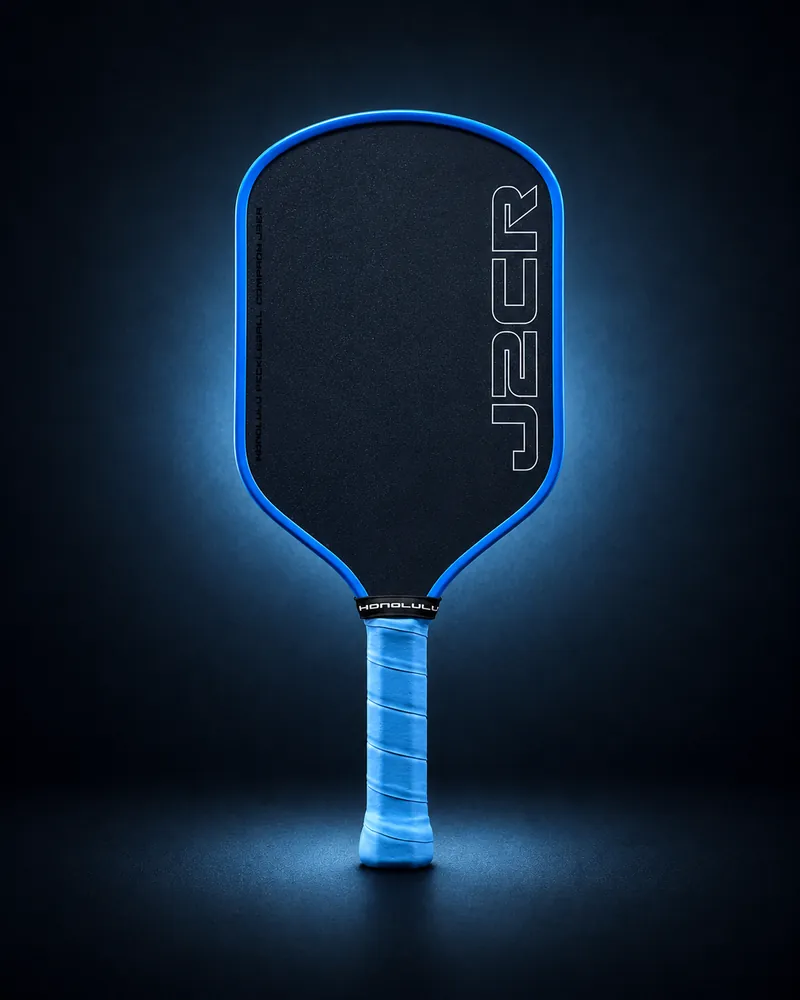
HYBRIDGEN 4.5SPIN ESCAPE VELOCITYGRIT LIFE AEROSPACE GRADE
SPIN2,090–2,470RPM
SWING WT110–114
SERVE—
My longtime main and the paddle I recommend most. Balanced power and control, a genuinely rare short-handle option on a near-elongated shape, and spin that tests near the UPA-A cap — and keeps its grit long after raw carbon fades.
Best forImproving players who want one paddle that does everything well for a long time.
SHORT-HANDLE OPTION~$195 W/ CODE
Series intelCrystal Blue line: J2CR hybrid · J6CR full elongated reach · J3CR — ask me which shape fits you. All need a few games to break in.
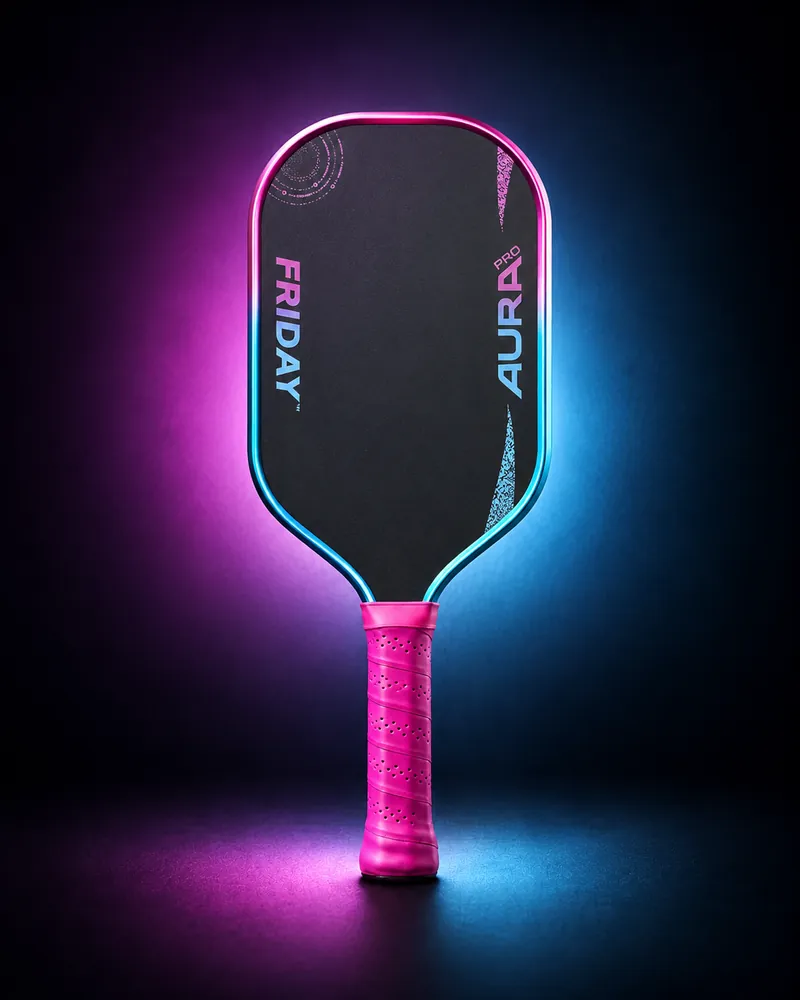
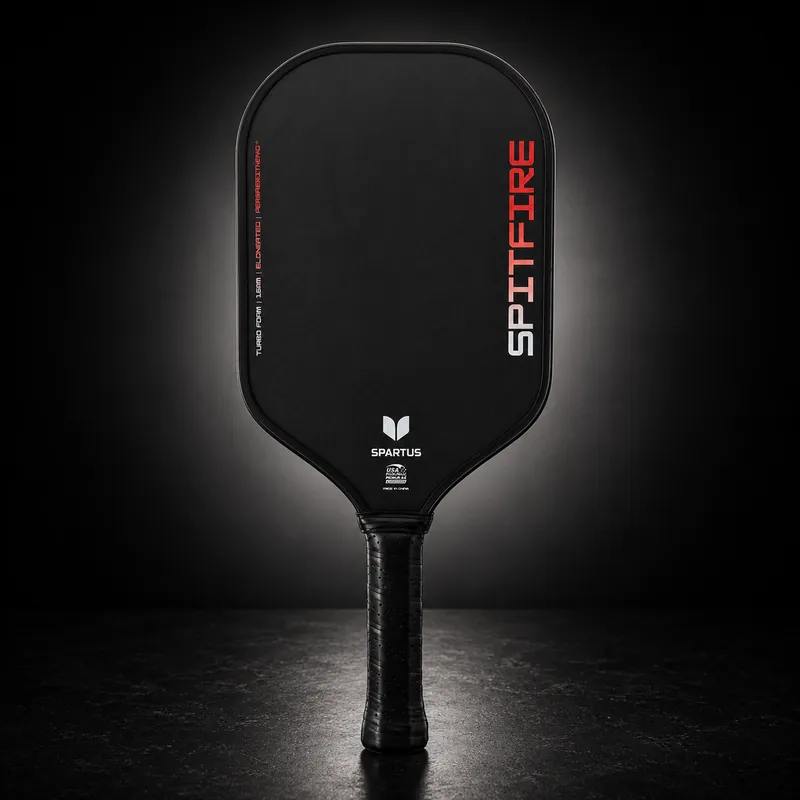
The most powerful paddle on this page, with the biggest kick. Friday’s all-foam heavyweight goes toe-to-toe with the Selkirk Boomstik — for a lot less money. Former tennis players love this paddle: if your idea of a third-shot drop is a third-shot drive, welcome home, banger.
Best forBig hitters who want maximum firepower on drives, serves, and putaways.
MAX POWER~$160–180 W/ CODE
Series intelColorways galore — Friday drops special editions constantly. Check their site for the current lineup.
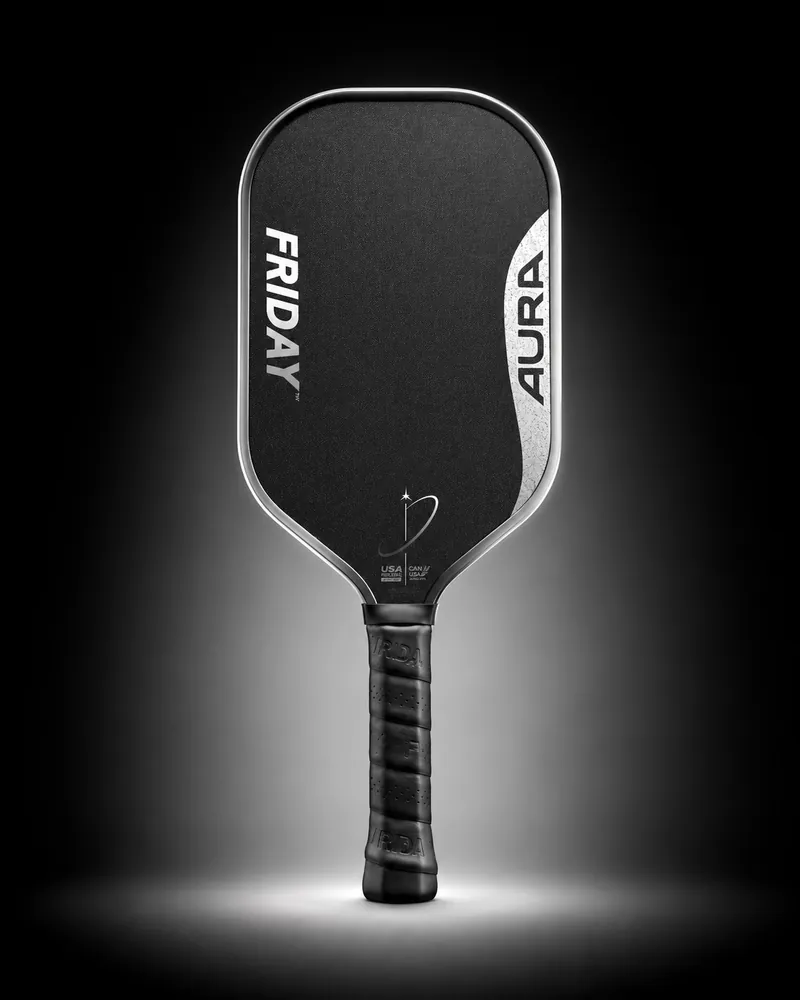
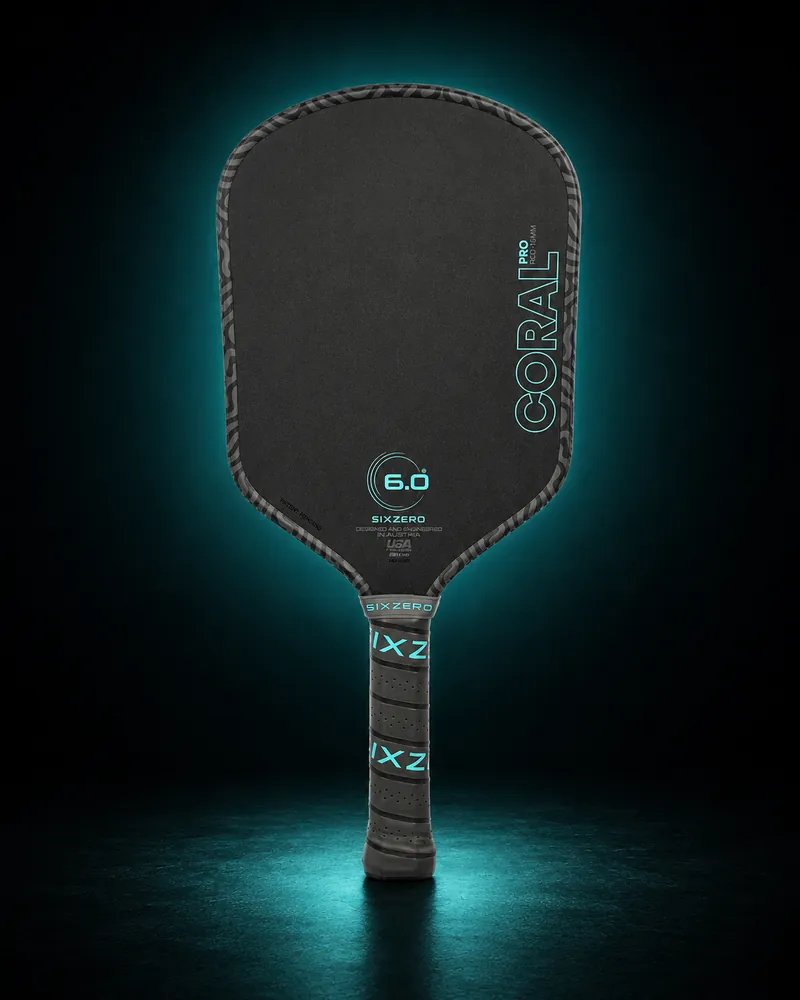
Control, touch, and forgiveness — not just for beginners. A softer, control-oriented paddle that’s easy to love, whether you’re learning the game or you’re an experienced player who’d rather win with placement than power. Think of it as the Six Zero Coral Pro’s more affordable sibling, minus the endurance grit.
Best forNew players building fundamentals — and seasoned players who appreciate real control.
HYB / ELONGATEDGEN 4SPIN ESCAPE VELOCITYGRIT LIFE LONG LIFE
SPIN≈2,480RPM
SWING WT—
SERVE—
Control and power in one paddle. Endurance grit that keeps its spin, and very forgiving for how much pop it has. Comes in hybrid and elongated — on shape, stick with your preference.
Best forPlayers who want real touch without giving up putaway power.
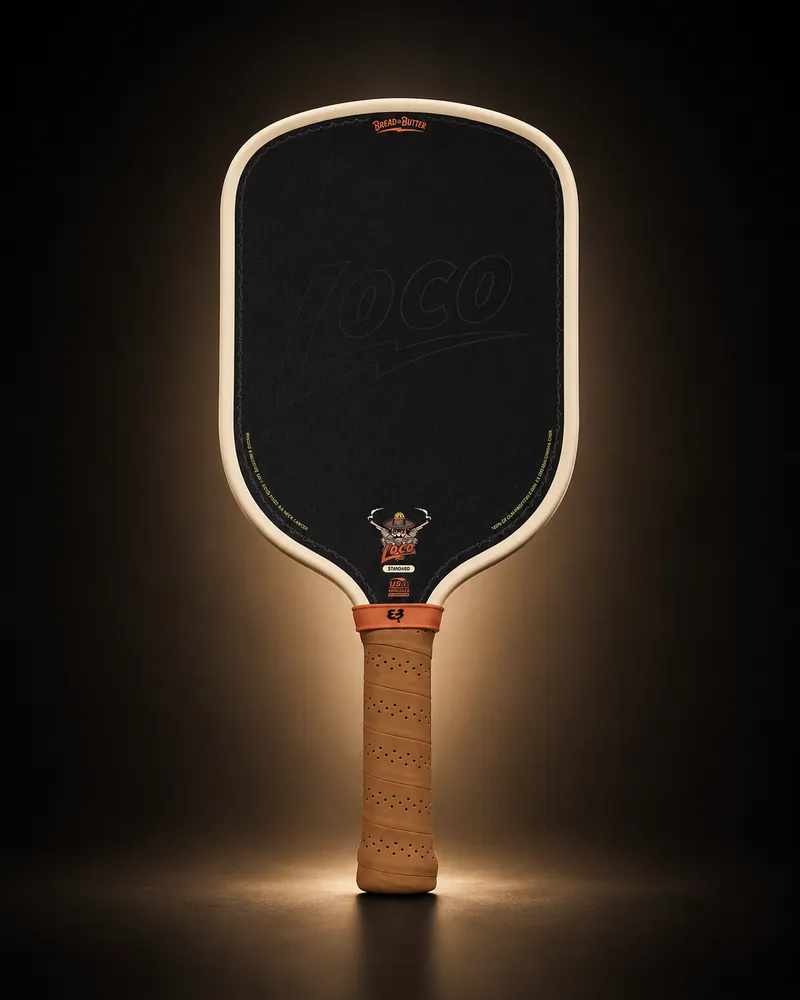
My first main paddle — and maybe my next one. Raw power with personality to match. If the rumors are true and a durable, spin-boosting grit is coming, this would very likely be my main again.
Best forPower players and former tennis players who miss hitting winners.
ELONGATEDGEN 4SPIN ESCAPE VELOCITYGRIT LIFE AEROSPACE GRADE
SPIN2,130–2,350RPM
SWING WT115–117
SERVE≈61MPH
The Gen 4 budget king. About $100 for an EPP floating foam core, spin in the 98th percentile of every paddle Pickleball Effect has tested (2,132 RPM), and Tier-1 grit durability — numbers that hang with paddles costing twice as much.
Best forAnyone who wants the full modern-paddle experience — durable grit included — for about $100.
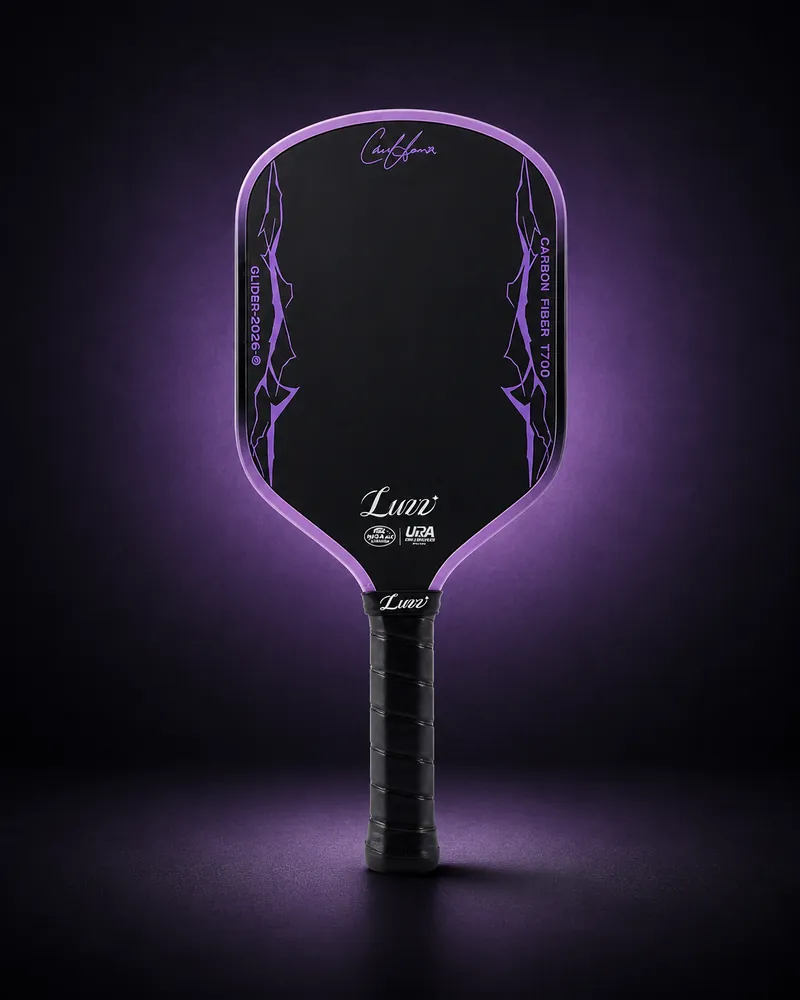
Budget price. World-№1 pedigree. The best value paddle I’ve tested — a forgiving, quick hybrid that’s genuinely good, not just cheap. The Chris Glider is the signature paddle of men’s singles world No. 1 Chris Haworth.
Best forFirst paddles, doubles players who want fast hands, and anyone allergic to overpaying.
$119–129 LIST
Series intelGlider 2026 = the softer, friendlier version · Chris Glider = the No. 1’s signature edition. Ask me before you buy — I order direct at ~20% off, better than any code online.
SHOP LUZZ ↗NO CODE — I ORDER DIRECT ~20% OFF · ASK ME AT CLASS
Prices are approximate and move with sales. I have codes for some brands (each card shows its own, typically ~10%) — never all — and a code never decides what I recommend. No code? Ask me anyway: between direct-order deals (Luzz, ~20%) and working codes from the big reviewers, I can almost always help.
Lab data comes from independent testers — John Kew, Pickleball Effect, Matt’s Pickleball — whose methods differ, hence the ranges. “—” means no published measurement yet.
T-03 · LOADOUT
Beyond the paddle.
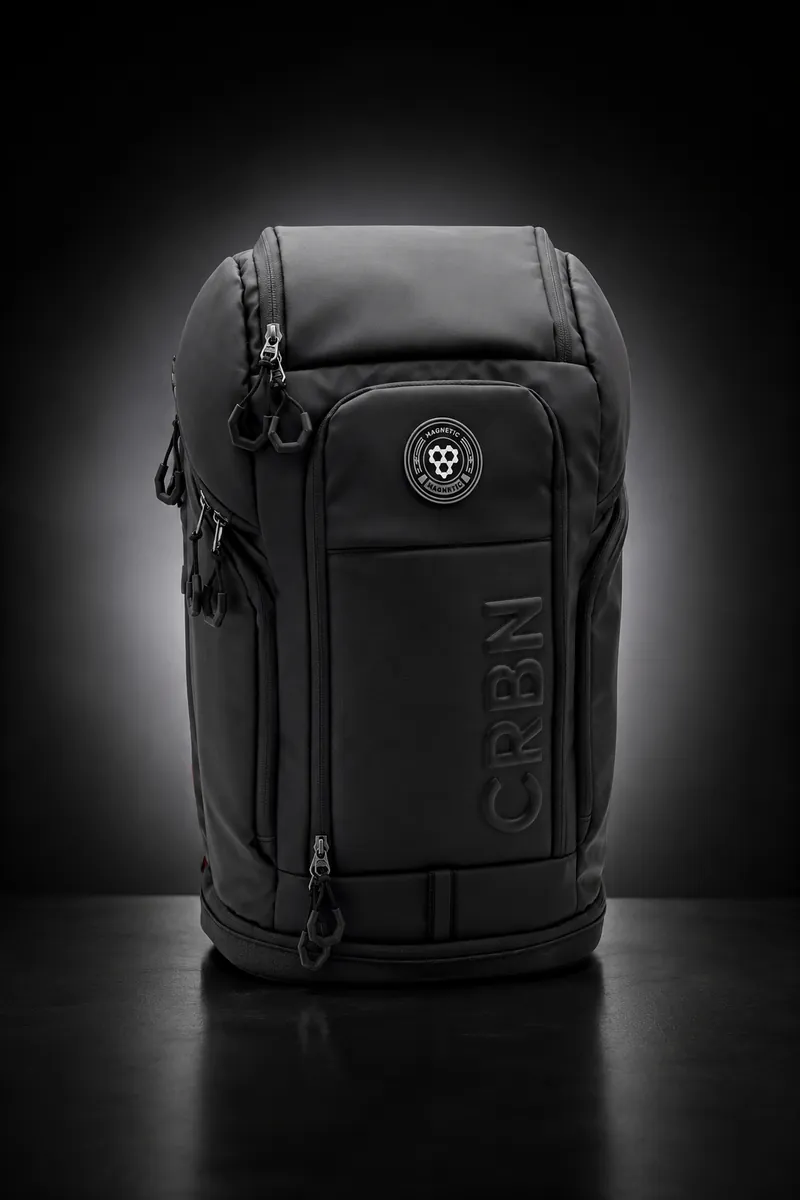
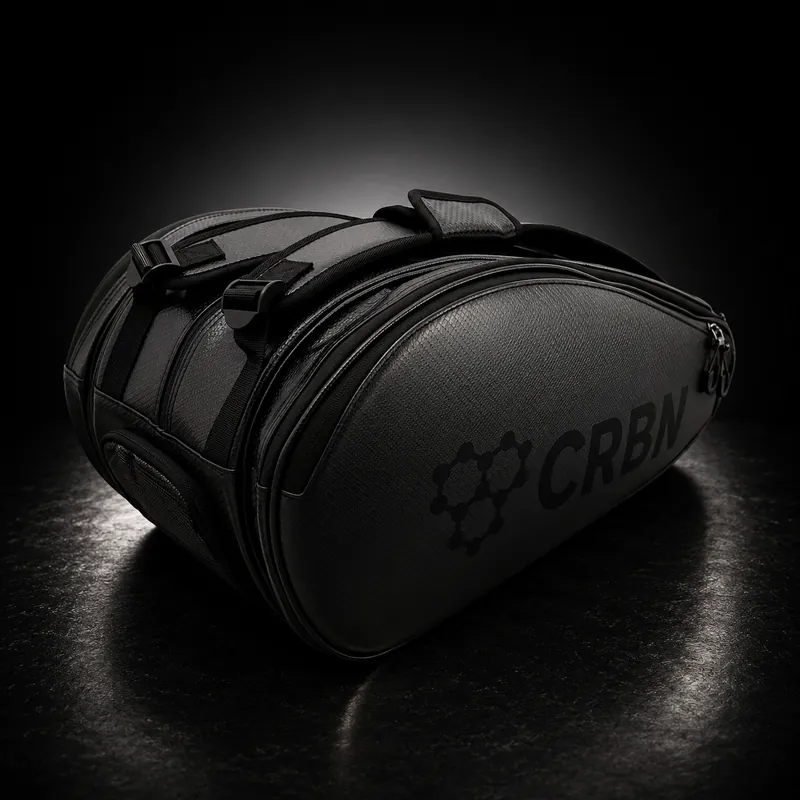
The rest of the kit questions I get every week: what bag, what grip, and do I really need eye protection? (Yes. You really do.) A word on CRBN: the best customer support I’ve experienced in pickleball — when one of my products had a small malfunction, one email got a replacement shipped within the hour. No questions, nothing to send back.
BAG · TOP PICK
CRBN Pro Team Backpack 2
The best pickleball bag I’ve ever used, full stop. Swallows the entire fleet, organized like a flight case, comfortable to haul.
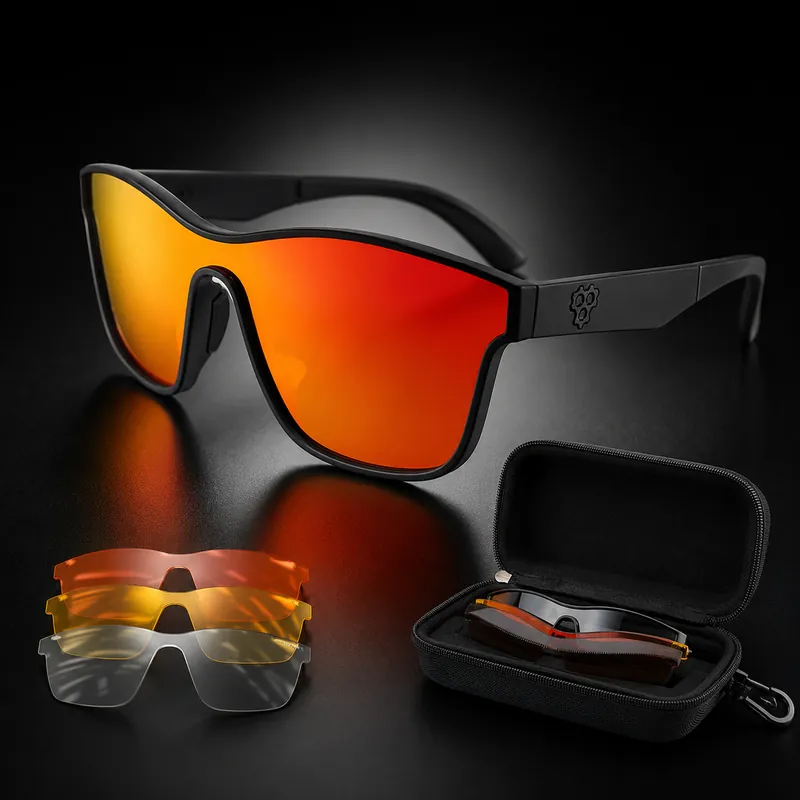
If you only ever buy one accessory, make it eye protection. A ball off a paddle at the kitchen line arrives faster than your blink reflex — and unlike a bruise, an eye doesn’t buff out. These are the best value court eyewear I’ve found.
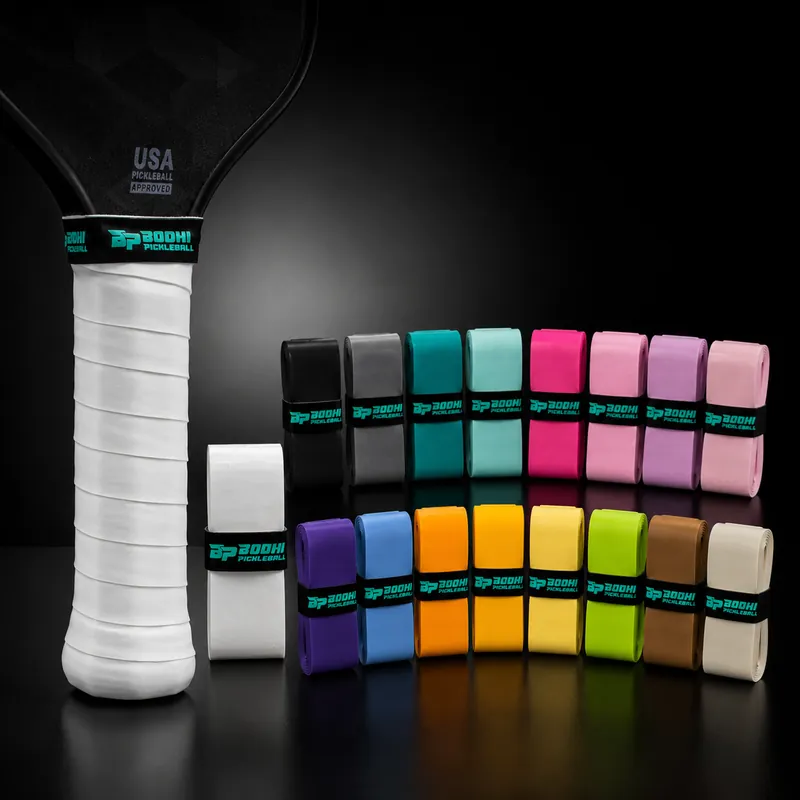
Not optional in my book — every paddle on this page should wear one. A few dollars of overgrip protects the factory grip underneath, lets you fine-tune handle thickness, and keeps sweat from turning the handle slippery. That last part is free performance: a paddle that doesn’t shift in your hand twists less on off-center hits. PROtack if you like tacky, DRYtack if your hands run sweaty. Rewrap when it stops gripping.
The single most useful thing to understand before buying a paddle in 2026: core generations age differently — and paddle marketing will not tell you this part.
GEN 3 · THERMOFORMED HONEYCOMB
Peaks on day one.
Explosive out of the box — crisp pop, zero break-in.
Degrades faster — spin fades with use, and core crush is the killer: when a thermoformed honeycomb crushes (sometimes within a month or two of heavy hitting), the paddle is done. Dead spots, rattly feel, no fix.
Why pros use them anyway: free paddles, swapped every few matches. Pros also don’t need a big sweet spot — they hit the perfect spot every time. You are (probably) not getting free paddles, and none of us hit the perfect spot every time.
GEN 4 · FOAM / EPP CORE
Peaks after a week — then stays there.
Bigger sweet spot and plenty of power for club play.
Needs a few games to break in before it feels its best.
Holds performance for months — what I recommend to anyone who buys their own paddles.
Spin remaining after standardized wear testing
FRESHAFTER WEAR TEST
Tier-1 endurance grit · HONOLULU BLUE ENDURANCE · 11SIX24 HEXGRIT
FRESH · 100%
AFTER · 100% — ZERO SPIN LOSS
Raw carbon-fiber face · NO ENDURANCE TECH
FRESH · 100%
AFTER · ≈80% (−300–400 RPM)
From John Kew’s standardized wear protocol: 100 shots at 70 mph into a one-inch square, spin measured by high-speed camera before and after. Every traditional raw-carbon or spray-grit face tested lost ≈20% or more of its spin — the point where most players start shopping for a replacement. Tier-1 durable grits (including two paddles in my bag) measured zero loss. Surface-roughness data tells the same story: 97% grit retention vs 81%.
Rule of thumb
Buying paddles with your own money?
Get Gen 4 foam (or Gen 3.5 with endurance grit). Let it break in — it will still play great months from now.
Getting fresh paddles shipped to you free by the manufacturer, so wear never matters?
Congratulations, you’re sponsored — enjoy Gen 3’s day-one pop.
T-05 · DEMO DAY
The best spec sheet is your own hands.
The whole fleet lives in my backpack, any day of the week. Ask me at any class and you can just try them — before you spend $200 on anyone’s recommendation, including mine, hit with whatever you’re curious about. Five minutes of dinks beats fifty reviews.
Rocket scientist by day. Paddle nerd approximately always.
I’m Gerrit — a rocket scientist and researcher at NASA. On the court, I’m an avid player with plenty of hands-on coaching experience — no certificate on the wall, just a lot of hours helping people get into pickleball and build their fundamentals. Students kept asking which paddle to buy, and in true rocket-science fashion I did significantly more research than is probably healthy. This site is that research, organized.
My filter is simple: I only recommend gear I own and play. Engineering explains why a paddle behaves the way it does; court time with real students tells me who it’s actually for. You get both.
And about motives: I’m not in this to make a buck. I’m in it because I love this game — and because it hurts to watch a new player fight a big-box paddle, or overpay for marketing. Good gear, honestly matched to your game, ideally tried before you buy. That’s the whole mission.
Full disclosure
Ambassador perks: I’m an ambassador for some — not all — of these brands. My codes don’t pay me cash — when they get used, I earn discounts toward new paddles, which is exactly how the demo fleet keeps growing for you to try at class. It has never changed a recommendation, and I’ll happily tell you when the cheaper paddle is the right call.
NASA: Rocket Science PB is an independent personal project. It is not affiliated with, endorsed by, or sponsored by NASA or the U.S. government. Opinions are mine.
Numbers: measured values, community test data, and my own subjective impressions are labeled as what they are.
Measured values from independent testers (methods vary); “—” = no published number. Lab take = my subjective read from real play; consensus lines summarize the cited reviewers.